
Renting vs. Buying Construction Equipment: Which Option is Best for Your Project?
Not sure whether to buy or rent construction equipment for your next big project? In this guide, we break down everything you need to know to make the right call.
Key Takeaways
- Key factors to consider when renting vs. buying construction equipment include project scope and timeline, budget and total ownership cost, frequency of use, fleet management, and future growth.
- Renting works best for short-term, specialized, or one-time needs.
- Buying offers better long-term value for frequently used equipment.
Reliable machinery is crucial to the success of every project. Tasks such as digging, lifting, and grading can only be completed safely and efficiently with heavy equipment.
When planning for your next build, a common question arises: Should I rent or buy heavy equipment? The answer depends on several important factors. Choosing between renting and buying affects your project timelines, fleet availability, and long-term ROI.
Things to Consider When Choosing Between Renting and Buying
Here’s a quick guide to help you decide between leasing and purchasing machinery.
1. Project Scope and Timeline
Identify the length and scope of your project. For short-term or seasonal work, renting can offer flexibility and cost control. It allows you to access the exact type of machine you need without the commitment of ownership.
However, for long-term projects or year-round operations, buying is often the smarter investment. Owning your equipment means you won’t be subject to availability issues, rental rate fluctuations, or delivery delays—saving you time and ensuring work progresses smoothly.
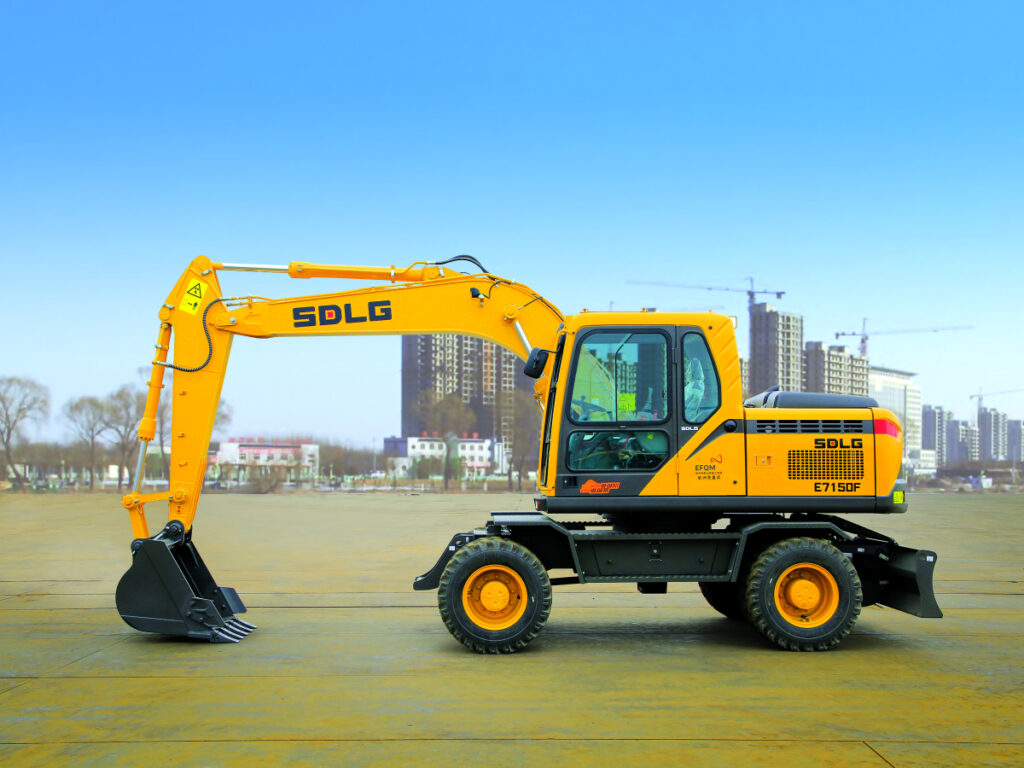
If you’re managing multiple sites with ongoing requirements, it’s best to own key equipment from trusted heavy equipment brands, such as SANY cranes or SDLG excavators. This ensures you’re always ready to mobilize without relying on a rental schedule.
Take a close look at your current and future projects to determine how often and for how long you’ll use the machine.
2. Budget and Total Cost of Ownership
While renting may seem like the cheaper option at first glance, it’s essential to evaluate the total cost of ownership over time. Heavy equipment buy vs. rent decisions should be based not just on monthly expenses, but on long-term financial impact.
Buying requires a larger upfront investment, but it also gives you an asset that adds value to your business. Over time, the cost of repeated rentals—especially for frequently used equipment—can surpass the cost of purchasing.
Additionally, when you own the machine, you’re building equity and can later resell or trade it in. It’s also worth factoring in interest if you’re financing the purchase, along with depreciation and maintenance costs.
On the rental side, you avoid those ownership costs, but you may face penalties for overuse, damage, or late returns.

3. Frequency of Use
When evaluating heavy equipment rental vs. purchase, usage frequency is a clear indicator of which option makes sense for your business.
If the machine is needed for just a few weeks or for particular tasks, renting makes sense. You’ll only pay for what you use, and you avoid the hassle of upkeep or storage. But for high-utilization equipment—like bulldozers, backhoes, or concrete mixers that you use on almost every job—it’s usually better to invest in ownership.
4. Fleet Management
Owning equipment entails additional responsibilities beyond the initial purchase. Maintenance, storage, and transport are key considerations when deciding whether to buy or rent construction equipment.
When you own a machine, you’re responsible for keeping it in working condition, including regular servicing, repairs, and parts replacement. You’ll also need secure storage space to protect it when not in use, and an efficient way to transport it between job sites.
Working with an experienced heavy equipment supplier in the Philippines that provides after-sales support makes ownership more manageable and far more beneficial in the long run.
5. Future Projects and Business Growth
If your project pipeline is steady and your company is scaling, investing in your own fleet builds both operational capacity and business credibility. Contractors who own their equipment can take on projects more quickly, submit more competitive bids, and avoid delays tied to rental availability.
In addition, owning gives you full control over machine upgrades, usage schedules, and modifications. You’re not limited by rental agreements or worried about daily rates. It also positions your company as a serious player in the market.
Quick Recap of Heavy Equipment Rental vs. Purchase
Still weighing the pros and cons of heavy equipment rental vs. purchase? Here’s a breakdown:
Rent If:
- The machine is needed for a short time or for a single job
- You’re using specialized equipment not commonly needed
- You want to avoid maintenance or storage responsibilities
- You’re testing a new model before purchase
- Budget constraints limit upfront investment
Buy If:
- You’ll use the machine frequently across projects
- You need to customize or upgrade equipment
- You want long-term savings over repeated rental costs
- You have the means to handle storage, transport, and maintenance
- You want to build company assets and grow operational capacity
Make the Right Investment With Topspot
For firms with steady workloads and repeat equipment use, owning your machines can be the smarter business decision. With the right supplier, your investment is protected by dependable support and service.
If purchasing construction equipment is the best fit for your needs and goals, Topspot is here to help you move forward.
We offer an extensive range of machines from world-class brands, including SDLG and SANY (cranes and concrete machinery). With nationwide service points, original parts, and expert after-sales support, we ensure your equipment keeps running so your projects stay on track.
Contact us to request a quote or learn more about our available units.
Frequently Asked Questions
1. What’s more cost-effective: renting or buying heavy equipment?
If you use the machine regularly, buying is more cost-effective in the long run. Renting is ideal for short-term or occasional use.
2. Can I rent first before buying?
Yes. Many companies rent to test equipment before committing to a purchase.
3. What are the advantages of owning equipment?
Ownership offers lower long-term costs, complete control over usage, and the ability to resell or upgrade. It’s ideal for high-use machines.
4. Where can I buy quality heavy equipment in the Philippines?
Topspot is a trusted supplier with nationwide coverage, expert support, and a strong track record in the industry.
5. What brands do you carry?
We offer equipment from SDLG and SANY (cranes and concrete machinery only).
