
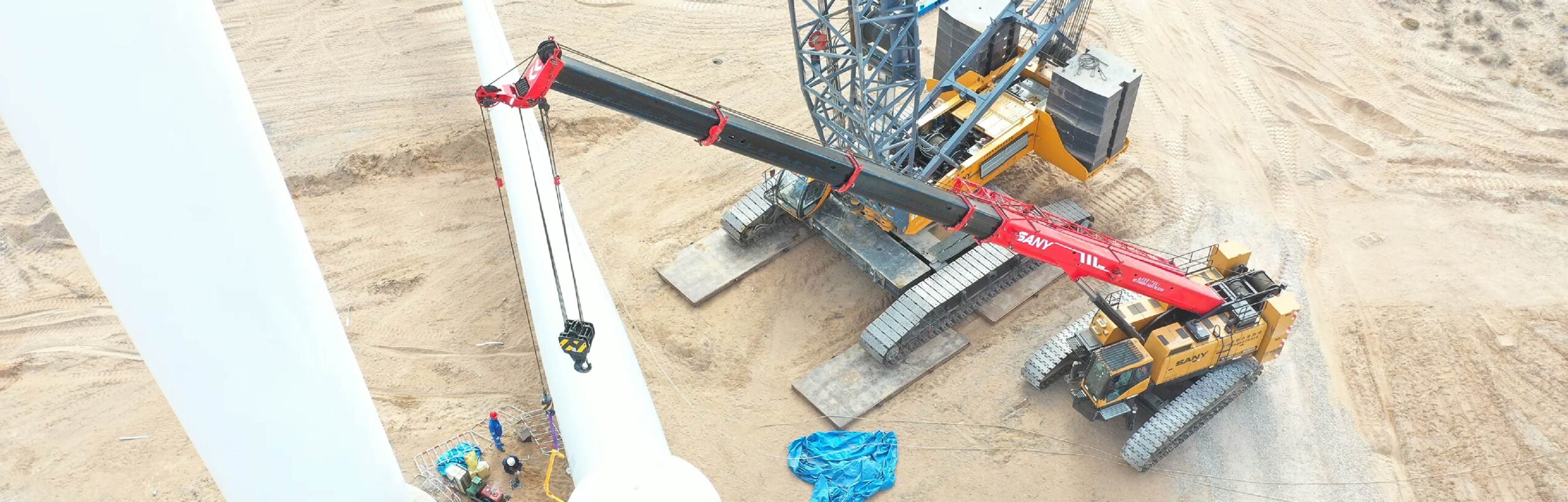
The Logistics of Gigantic Builds: Transporting and Assembly Mega-Cranes
Mega-projects are the true tests of engineering and project management. From soaring skyscrapers to massive infrastructure, these ambitious undertakings require equipment of equally grand scale. At the heart of many of these colossal builds are the mega-cranes—towering structures of steel and hydraulic power, capable of lifting incredible loads to dizzying heights.
Yet, before these giants can touch the sky, they must first reach the job site, a logistical challenge that can be as complex as the construction itself. For project managers and logistics coordinators, the task of transporting and erecting these behemoths can be a significant source of delays, costs, and headaches.
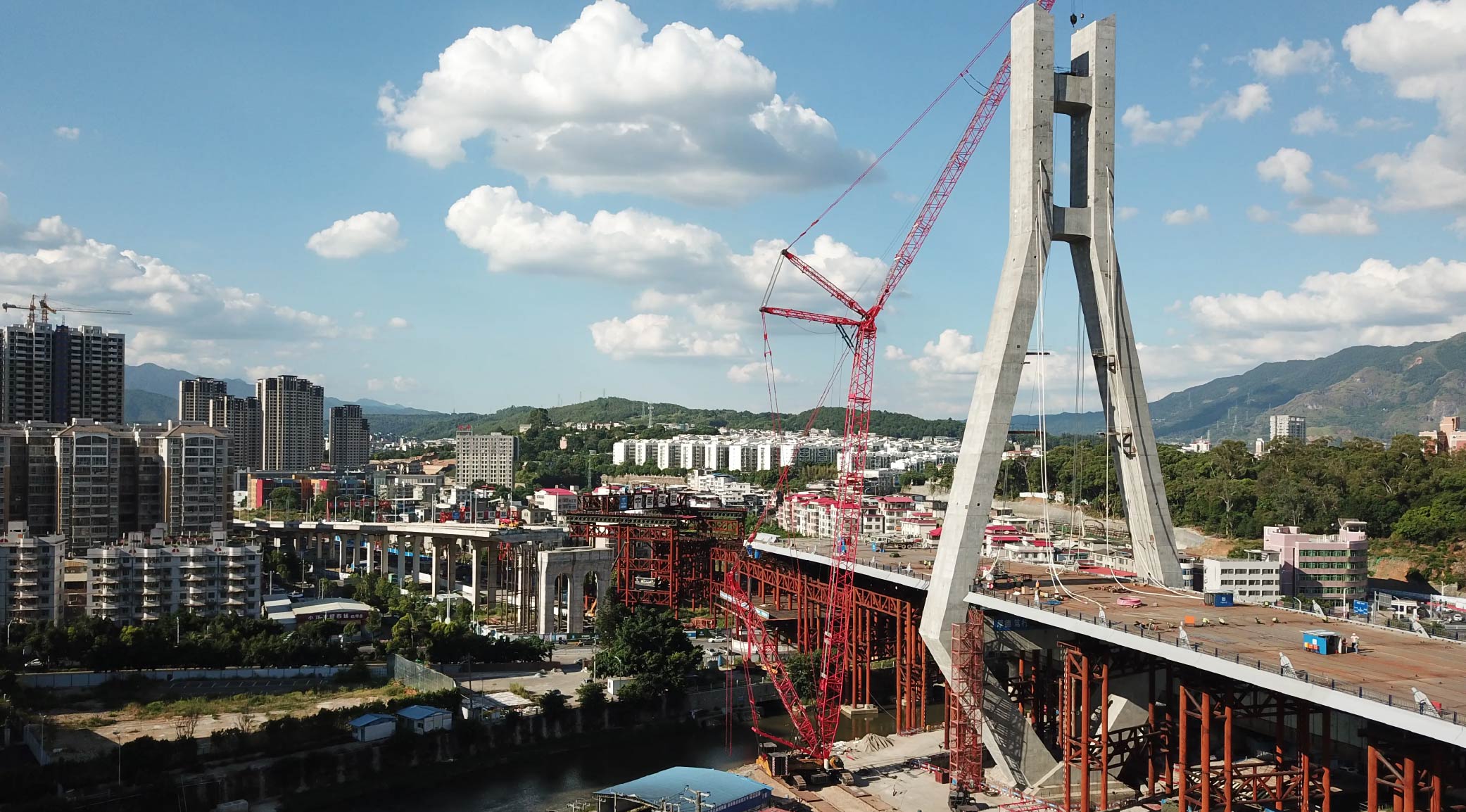
The Problem of Size: A Logistical Nightmare
Moving and setting up a colossal crane isn’t as simple as driving it to the site. The sheer scale of these machines introduces a cascade of logistical complexities:
- Permit Challenges & Route Planning: Transporting oversized loads across public roads requires extensive permits, specialized escorts, and meticulous route planning to avoid bridges, low-hanging wires, and tight turns. These processes are time-consuming and often unpredictable.
- High Transportation Costs: A single mega-crane might require dozens of heavy-haul trucks to move its boom sections, counterweights, and base components. Each truck, each mile, and each permit adds significantly to the project budget.
- On-Site Assembly Delays: Once on site, the traditional assembly of a massive crawler crane can take days, sometimes weeks. This includes the intricate process of connecting boom sections, mounting counterweights, and setting up the complex hydraulic and electrical systems. Every hour spent on assembly is an hour of lost productivity for the entire project.
These challenges collectively put immense pressure on project timelines and budgets, making efficient crane deployment a critical success factor.
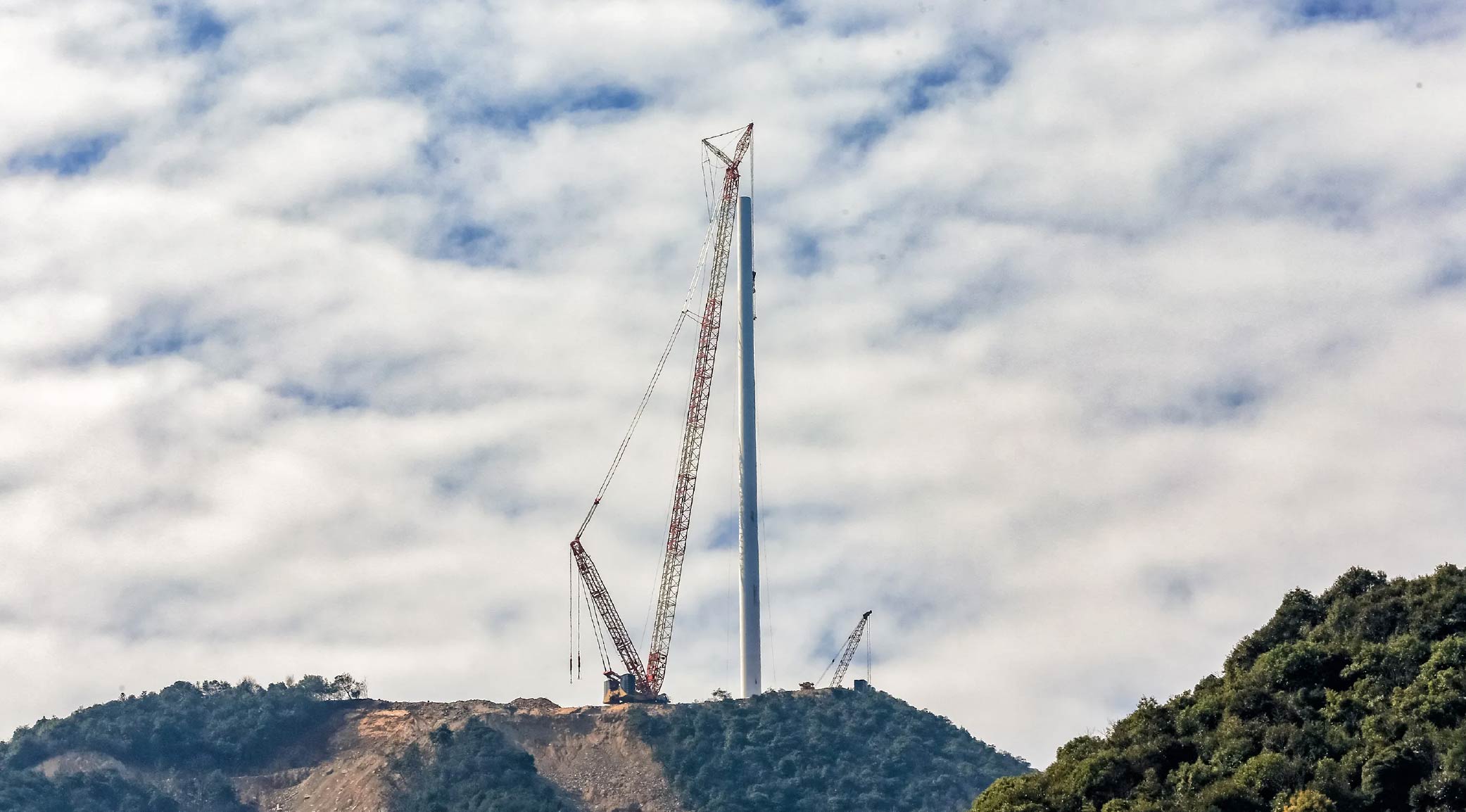
The Solution of Modular Design: Engineering for Mobility
Modern heavy lifting equipment is evolving. Recognizing these logistical bottlenecks, leading manufacturers are now designing their crawler cranes with modularization and efficient transport at the forefront.
This new approach centers on:
- Optimized Component Size: Components are engineered to break down into sections that fit within standard shipping dimensions. This drastically simplifies the permitting process and allows for transport on conventional trucks or even in standard shipping containers—a game-changer for international projects or those with tight access roads.
- Intelligent Self-Assembly Systems: The goal is to minimize the need for auxiliary cranes and manual labor during erection. Modern systems incorporate patented self-assembly technology that allows the crane to use its own power and hydraulics to erect its boom and counterweights. This turns a multi-day operation into a matter of hours.
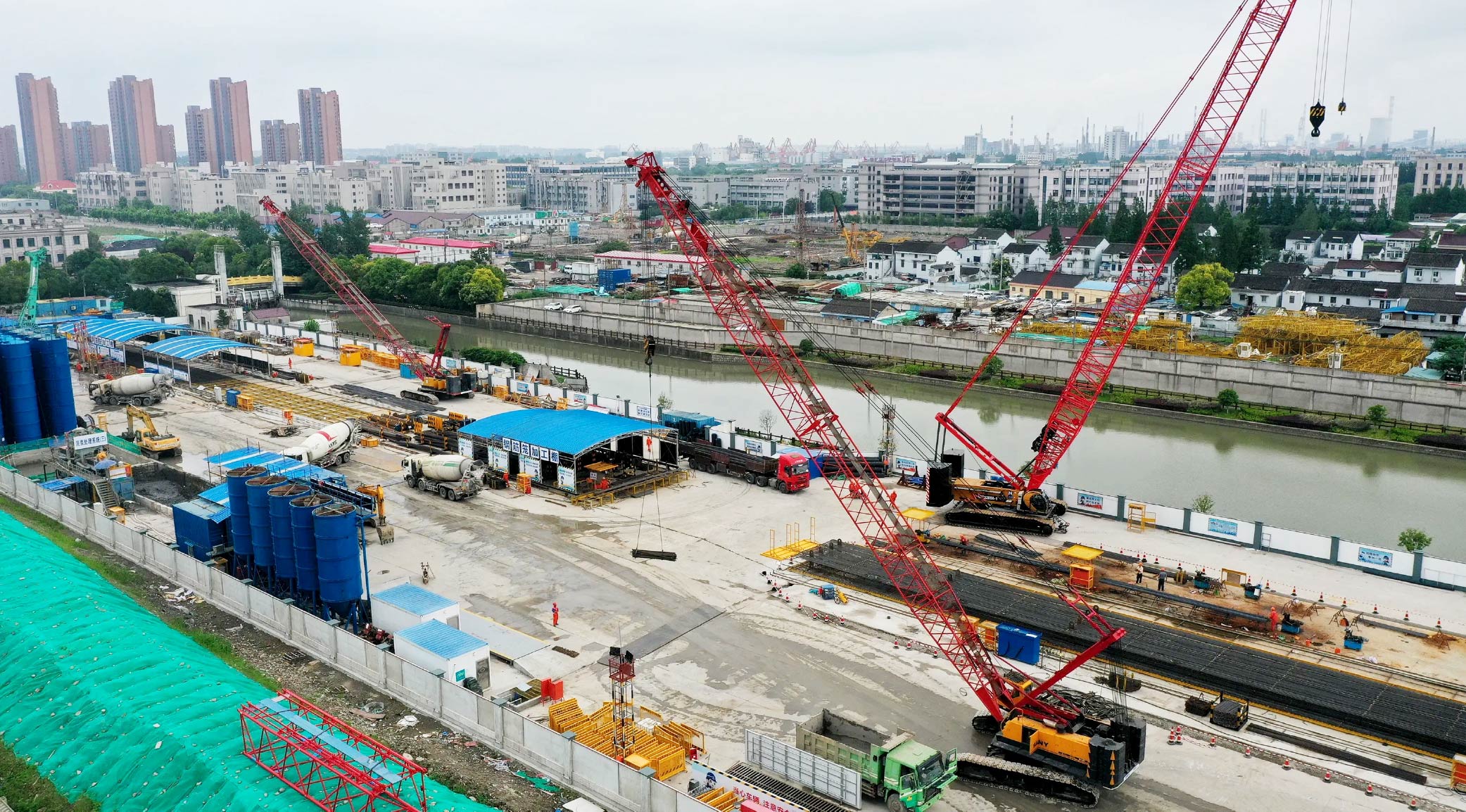
Minimizing Downtime: From Transport to Lift in Record Time
The impact of this modular and self-assembling design on project schedules and budgets cannot be overstated. By drastically cutting down on transport complexity and on-site setup time, projects gain significant advantages:
- Accelerated Project Start-Up: Instead of waiting days for a crane to be operational, crews can move from “truck to lift” in a fraction of the time. This rapid deployment allows foundational work or initial lifts to commence much faster.
- Reduced Labor Costs: Fewer specialized personnel and auxiliary cranes are needed for assembly, directly impacting labor costs.
- Enhanced Project Flexibility: The ease of transport means cranes can be moved more readily between different phases of a large project or even to different job sites, maximizing asset utilization.
Setting New Benchmarks for Efficiency
By leveraging advanced engineering and a deep understanding of logistical challenges, certain manufacturers are redefining what’s possible in heavy lift operations. The innovative design of products like the SANY SCC series of crawler cranes, with its focus on modularity and patented self-assembly technology, is setting new benchmarks. These advancements are crucial for slashing project start-up delays and ensuring that colossal builds proceed on schedule and within budget.
For project managers, this evolution in crane design isn’t just about a more powerful machine; it’s about a more intelligent, efficient, and profitable way to manage the logistics of gigantic builds.
Ready to streamline your heavy lift logistics and accelerate your project timelines?
Explore how SANY’s innovative crawler cranes, designed for rapid transport and self-assembly, can transform your operations. Contact us today to learn more about the SCC series and find the ideal lifting solution for your next mega-project.
