

How to Operate a Backhoe Loader: Everything to Know Before Using Your New Equipment
Getting behind the controls of a backhoe loader for the first time can feel like a big step. This guide walks you through operating a backhoe loader safely and efficiently.
Key Takeaways
- Mastering how to operate a backhoe loader starts with understanding its parts, controls, and proper setup before any work begins.
- A consistent backhoe loader checklist helps prevent breakdowns, improve safety, and keep your project on schedule.
- Knowing the right use of a backhoe loader and applying correct techniques leads to faster, more efficient excavation and material handling.
A backhoe loader combines a front loader bucket for material handling and a rear digging arm for excavation. This dual functionality makes it ideal for contractors who need flexibility without deploying multiple machines.
Understanding how a backhoe loader works is key to maximizing productivity on a job site. The machine uses a hydraulic system to power both the loader and the backhoe arm, allowing operators to dig, lift, push, and carry materials with precision.
In this guide, we’ll walk through the mechanisms of a backhoe loader and best practices for using this versatile equipment.
Uses of a Backhoe Loader
The use of a backhoe loader extends across several industries, making it a valuable asset for different types of operations:
- Construction: Ideal for trenching, foundation digging, and material loading on residential and commercial sites.
- Roadwork and Infrastructure: Used for clearing debris, digging drainage lines, and preparing roadbeds.
- Agriculture and Land Development: Helps in land clearing, irrigation work, and soil movement.
- Utility Installation: Commonly used for laying pipes, cables, and drainage systems.
- Small-Scale Mining or Quarry Work: Useful for handling loose materials and supporting excavation tasks.
Parts of a Backhoe Loader
Here are the common parts and functions of a backhoe loader:
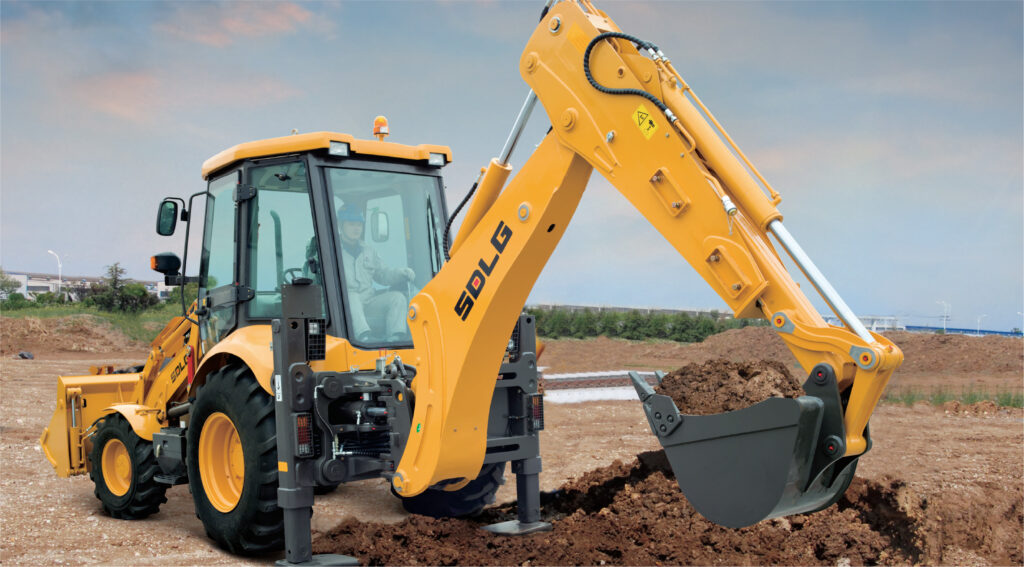
- Loader Bucket (Front) – Used for lifting, carrying, and loading materials such as soil, sand, and gravel
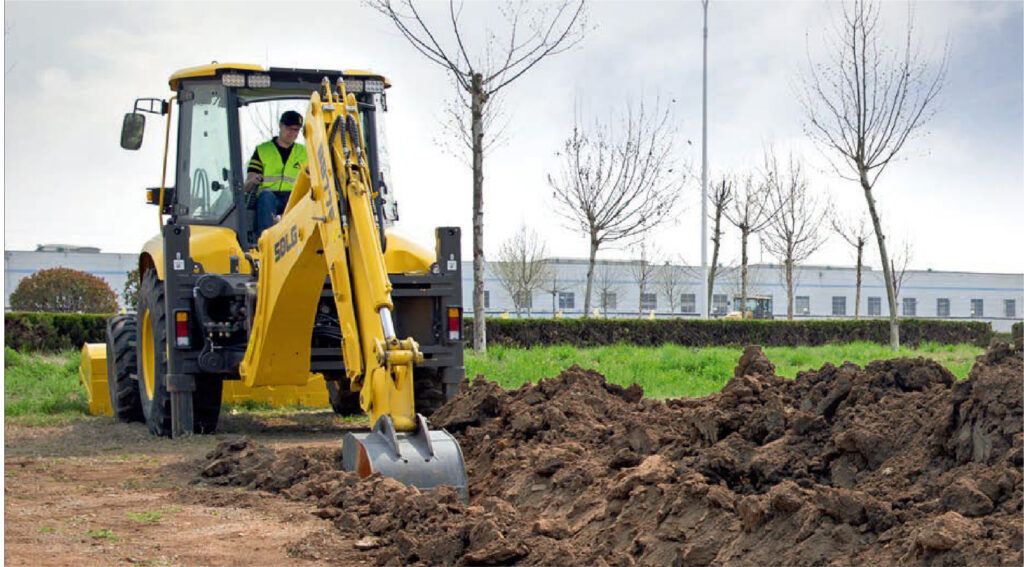
- Backhoe Arm (Rear) – Includes the boom, dipper, and bucket used for digging and trenching
- Hydraulic System – Powers all movements of the loader and backhoe components
- Cab (Operator Station) – Contains the controls, seat, and visibility features for safe operation
- Stabilizers (Outriggers) – Provide balance and stability when using the backhoe arm
- Engine and Transmission – Deliver power and mobility across the jobsite
Basic Controls of a Backhoe Loader
While layouts may vary slightly by model, most machines follow a standard configuration.
- Steering Wheel and Pedals – Used for driving and maneuvering the machine across the site
- Loader Control Lever – Operates the front bucket for lifting, lowering, and tilting
- Backhoe Joysticks or Levers – Control the boom, dipper, and bucket for digging operations
- Stabilizer Controls – Lower and raise the outriggers to stabilize the machine
- Throttle Control – Adjusts engine speed depending on workload
- Gear Selector – Controls movement speed and direction
Step-by-Step Guide to Operating a Backhoe Loader
Operating a backhoe loader requires preparation, awareness, and proper technique. Follow this guide to ensure safe and efficient operation.
1. Perform a Pre-Operation Inspection
Start with a backhoe loader checklist to prevent unexpected breakdowns:
- Check fuel, oil, and hydraulic fluid levels
- Inspect tires and attachments
- Look for leaks or visible damage
- Ensure all controls are functioning properly
2. Start the Machine and Warm It Up
Enter the cab, fasten your seatbelt, and start the engine. Let the machine idle for a few minutes to allow hydraulic systems to warm up. This step ensures smoother operation and reduces wear.
3. Position the Machine Correctly
Move the machine to a stable working area. Lower the stabilizers to secure the unit before using the backhoe arm. Proper positioning is critical in learning how to operate a backhoe loader safely.
4. Operate the Loader Bucket
Use the loader control lever to lift and move materials. Keep loads balanced and avoid overloading the bucket. Smooth movements improve efficiency and reduce strain on the machine.
5. Use the Backhoe Arm for Digging
Control the boom, dipper, and bucket using the joysticks:
- Lower the boom into position
- Extend the dipper to reach the digging area
- Curl the bucket to scoop material
6. Maintain Proper Awareness
Always monitor your surroundings:
- Keep a safe distance from workers and structures
- Avoid operating on unstable ground
- Watch for overhead obstacles
7. Shut Down Properly
After completing your work:
- Lower all attachments to the ground
- Engage the parking brake
- Turn off the engine
- Conduct a quick post-operation check
Following a shutdown routine ensures the machine stays in good condition for future use.
Get Reliable Backhoe Loaders From Topspot
Backhoe loaders are essential across construction, infrastructure, and land development projects because of their versatility and reliability. With proper training and the right equipment, operators can handle a wide range of tasks with confidence.
If you’re looking to invest in dependable machines, working with a trusted backhoe loader dealer like Topspot ensures you get the right unit backed by strong after-sales support. Explore SDLG equipment in the Philippines and equip your team with machines built to excel on every project.
Frequently Asked Questions (FAQs)
1. What is the main use of a backhoe loader?
The primary use of a backhoe loader is for digging, trenching, and material handling.
2. How difficult is it to learn how to operate a backhoe loader?
Learning how to operate a backhoe loader is manageable with proper training and practice. Most operators start by understanding the controls, following safety procedures, and gradually gaining experience on actual job site tasks.
3. What should I check before using a backhoe loader?
Before operating, check fluid levels, inspect hydraulic systems, ensure attachments are secure, and confirm that all controls are functioning properly.
