
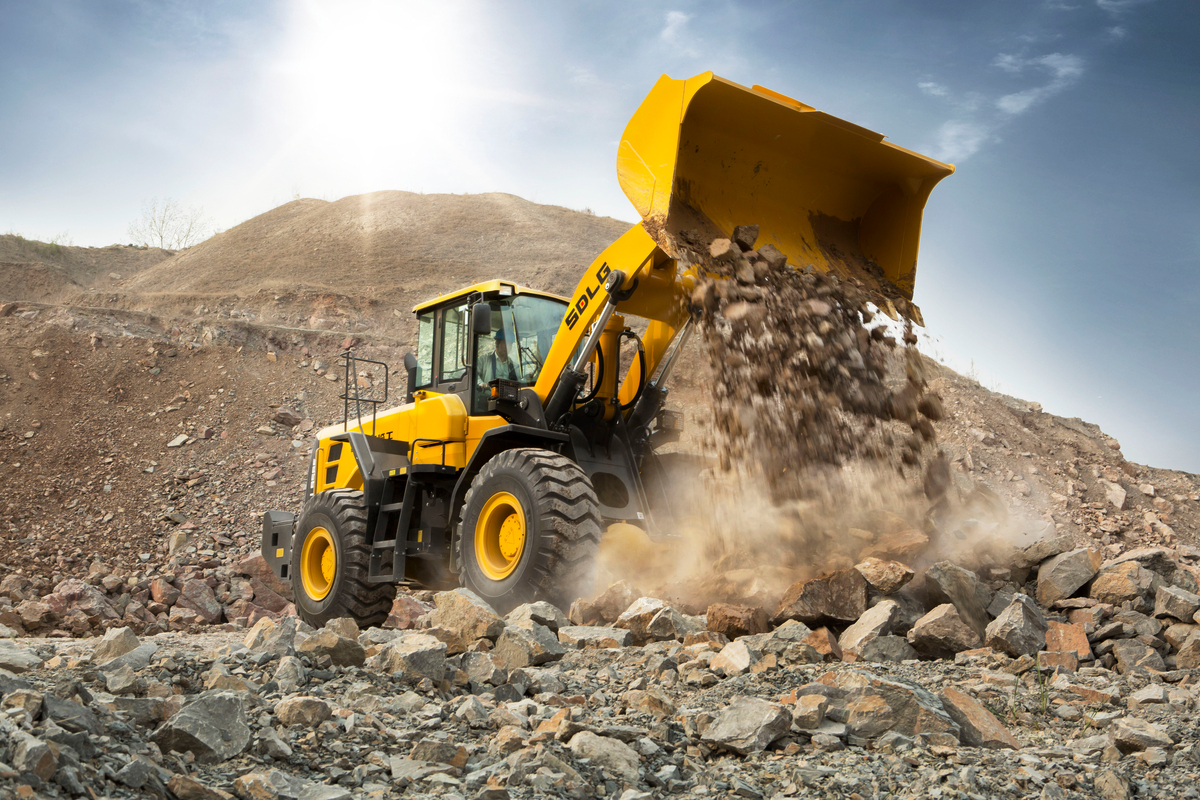
Why Heavy Equipment After-Sales Service Matters
Buying heavy equipment is a significant capital decision a construction or mining operation can make — but the real test of that investment happens long after the machine rolls off the truck. What keeps your fleet productive, your projects on schedule, and your costs under control is the quality of support that comes after the sale.
Key Takeaways
- Heavy equipment after-sales service is a direct driver of uptime. Fast access to spare parts, trained technicians, and warranty support keeps machines working and deadlines intact.
- The true cost of owning equipment includes maintenance costs.
- Choosing a brand with a solid after-sales infrastructure in the Philippines is a strategic decision. Dealers like Topspot offer localized support that keeps your fleet moving.
Visit any active construction site in the Philippines, and you will find machines doing the heavy lifting. The equipment is working hard, and so are the teams managing it.
What most buyers evaluate before a purchase is easy to see: specs, price, and brand name. What is harder to see, but arguably more important, is what happens after the sale. What does your dealer do when a hydraulic line fails at 2 in the afternoon during peak operation? How long does it take to get a replacement part? Is there a trained technician nearby who knows your machine? Is the warranty honored quickly and without friction?
These questions are the real measure of your investment. Heavy equipment after-sales service is what separates a productive fleet from an expensive maintenance headache, and you’ll soon see why.
What Is After-Sales Service for Heavy Equipment?
After-sales service refers to all the support a dealer or manufacturer provides to a customer after a piece of equipment has been purchased and delivered. It is the ecosystem of technical, logistical, and operational support that keeps a machine working throughout its life.
This is distinct from the sale itself. It covers everything that happens in the months and years that follow — routine maintenance, emergency repairs, warranty claims, operator training, and the supply of genuine spare parts. In the context of heavy equipment, where machine downtime can cost tens of thousands of pesos per day, this support infrastructure is not optional; it is critical.
You are not just buying a machine. You are entering into a long-term relationship with the dealer and the brand.
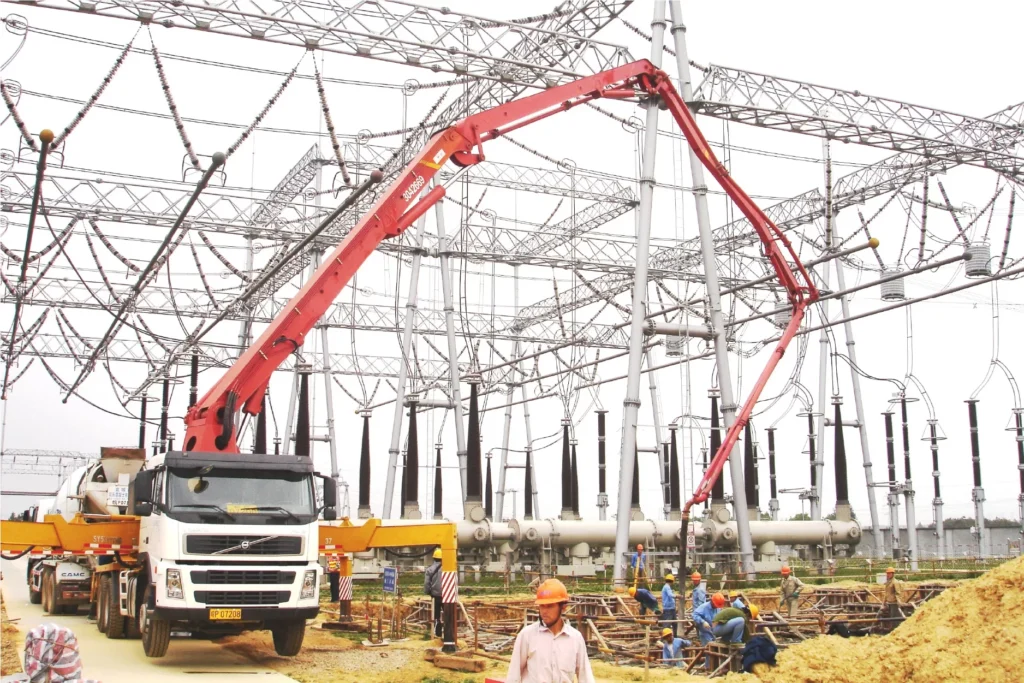
What Is Included in Heavy Equipment After-Sales Support?
The scope of after-sales service varies by dealer, but here is what a comprehensive heavy equipment sales support program typically covers:
1. Warranty Coverage
Heavy equipment warranty protection ensures that manufacturing defects and component failures within a specified period are covered by the dealer or brand. A well-structured warranty reduces the financial risk of early-life failures and gives owners confidence in the quality of their purchase.
2. Genuine Spare Parts Supply
Access to the right parts, quickly, is one of the most tangible forms of after-sales support. A dealer with a well-stocked parts inventory means shorter repair turnaround times and no waiting weeks for a component to arrive from overseas.
3. Preventive Maintenance
Scheduled servicing keeps equipment running at peak efficiency. Dealers with strong after-sales programs offer periodic maintenance packages, service reminders, and inspection visits that prevent small issues from becoming costly breakdowns.
4. Technical Support and Onsite Service
When something goes wrong in the field, you need access to qualified service technicians who know the machine inside and out. Dealers with a dedicated field service team can dispatch trained personnel to diagnose and repair equipment on-site, minimizing downtime.
5. Operator and Technician Training
Proper equipment handling extends machine life and reduces operator-caused damage. Good after-sales programs include training resources to ensure your team knows how to operate and perform basic upkeep on the equipment correctly.
6. Technical Documentation
Service manuals, parts catalogs, and maintenance guides help in-house mechanics perform standard maintenance procedures efficiently. This reduces dependency on dealer visits for routine tasks.

The Importance of After-Sales Service in Heavy Machinery
So, why is heavy equipment sales support crucial for contractors, fleet managers, and the like?
1. Uptime is Revenue
Machines that are not running are not earning. A single day of unplanned downtime can derail a project schedule, trigger penalty clauses in contracts, and strain the productivity of an entire crew. Heavy equipment after-sales service protects your operational uptime.
2. Lowers Total Cost of Ownership
The sticker price of equipment is just the beginning. Over the life of a machine, maintenance, repairs, and parts replacements often exceed the original purchase cost. Dealers who offer structured heavy equipment sales support programs help owners manage and reduce these ongoing expenses through preventive maintenance, access to genuine parts, and efficient warranty processing.
3. Protects Your Equipment Investment
Heavy equipment depreciates over time, but how well it is maintained determines how quickly. Machines with a documented service history, regular preventive maintenance, and timely repairs retain more resale value. Strong after-sales support is an investment in your asset’s long-term worth.
4. Reduces Operational Risk
The best dealer relationships are not transactional. When a dealer knows your fleet, understands your operational environment, and has a record of your service history, they become a genuine partner in your business. That kind of institutional knowledge is invaluable.
Topspot: After-Sales Support Built Into Every Sale
At Topspot, after-sales service is a core part of how we do business.
As an authorized dealer of SDLG heavy machinery and SANY heavy equipment in the Philippines, we have over 40 service points in the country and provide unparalleled after-sales support for some of the most trusted equipment brands in the market.
We understand what Philippine job sites demand: fast response times, accessible parts, and technicians who know these machines. Topspot is built to keep your equipment running and your operations on track.
Ready to talk about what after-sales support looks like for your fleet? Get in touch with us and discover how we can keep your machines and your projects moving forward.

Frequently Asked Questions (FAQs)
1. How long does a typical heavy equipment warranty last in the Philippines?
Warranty periods vary by brand and machine type, but most new heavy equipment carries a standard manufacturer’s warranty of 12 to 24 months, or a set number of operating hours — whichever comes first. Extended warranties are sometimes available and are worth exploring at the time of purchase. Always confirm exactly what the warranty covers, including parts, labor, and any exclusions.
2. Can third-party parts be used without voiding a heavy equipment warranty?
Using non-genuine or third-party replacement parts can potentially void a manufacturer’s warranty, depending on the terms. Most warranty agreements specify that only authorized genuine parts should be used during the warranty period. It is always safer to use OEM (original equipment manufacturer) parts to stay protected and avoid unnecessary complications during warranty claims.
3. What should I look for when evaluating a dealer’s after-sales capabilities before buying equipment?
Assess the dealer’s parts inventory depth, the availability and proximity of trained service technicians, their average response time for service calls, and whether they offer structured preventive maintenance programs. A dealer who can answer these questions clearly and confidently is one who takes after-sales support seriously.
4. How does preventive maintenance affect equipment resale value?
Machines with a documented preventive maintenance history are significantly easier to sell in the secondary market and typically command higher prices. Buyers in the used equipment market look for proof of regular servicing because it indicates a lower risk of hidden mechanical issues.
5. What is the difference between a service agreement and a standard warranty?
A warranty is a manufacturer’s or dealer’s guarantee against defects for a set period, typically included with the purchase. A service agreement (or maintenance contract) is a separate, often paid-for arrangement in which the dealer provides scheduled servicing, inspections, and sometimes priority access to parts over a defined term. Service agreements offer more comprehensive, proactive coverage than a basic warranty.
