

Motor Grader Operating Techniques: Maximizing Efficiency and Precision for Better Roads
Looking to improve your motor grader work and eliminate unnecessary delays on site? This guide offers proven motor grader operating techniques to help contractors finish jobs faster, safer, and with a flawless finish.
Key Takeaways
- Using proper motor grader operating techniques improves surface quality, drainage, and overall project success.
- Skilled operation and preventive maintenance reduce fuel use, material waste, and machine wear.
- Mastering blade control, terrain assessment, and pass consistency is essential for a flawless finish.
Roads are more than just infrastructure. They connect cities, power logistics, and keep entire economies moving. In the Philippines, where heavy rains and high-traffic volumes can cause rapid road wear, consistent maintenance and accurate grading are essential.
Over time, roads develop potholes, ruts, washboarding, and surface cracking. That’s where a motor grader comes in. As a vital piece of heavy equipment, a motor grader is used to create a smooth, level surface by cutting, spreading, and leveling material. But if not operated efficiently, it can lead to uneven surfaces, poor drainage, and expensive rework.
Applying the proper motor grader operating techniques minimizes these risks and ensures your equipment works at its full potential.
Motor Grader Operator Tips You Need to Know
Operating a motor grader takes skill and precision. No matter the project, minor adjustments in technique can make a big difference. Here’s how to operate a motor grader efficiently:
1. Understand the Jobsite and Terrain
Before making the first pass, assess the work area. Survey the terrain for existing slopes, soft spots, or uneven surfaces. Understanding the soil type, compaction, and moisture levels will help you determine how aggressively to blade. For instance, dry, loose soil may require shallower blade angles and multiple passes, while wet or clay-heavy terrain may benefit from wider windrows and slower speeds.
2. Optimize Blade Angle, Pitch, and Height
Blade control is a critical motor grader operating technique. Set your blade angle between 40 and 50 degrees for general grading. A forward-leaning pitch increases cutting aggressiveness, while a backward pitch reduces it for finishing passes. Adjust the blade height to match the cut depth without overloading the motor. Start light and increase depth gradually. Excessive cuts can cause stalls, jerky movement, or surface damage.
Here are key tips for motor grader operators:
- For cutting, use a sharper angle and a slower speed.
- For spreading, flatten the blade.
- For finishing, feather the blade with minimal downward pressure.
3. Master Circle and Articulation Control
Use the grader’s circle function to rotate the blade and maintain a consistent cutting angle throughout each pass. Adjust articulation to better align the grader with curved road sections or to increase stability on tight turns. Articulation also improves side drafting, which helps when maintaining ditches or slopes.
Mastering these controls helps with smoother transitions, improved balance, and a cleaner edge—especially when working on crown formations or sloped grading.
4. Maintain Consistent Speed and Direction
Speed affects grading quality. A steady, low speed (3 to 5 km/h) provides better control and reduces bouncing. Fast passes may seem time-saving, but they often result in uneven surfaces or missed spots. Stick to a uniform pace and maintain a straight line to achieve a flawless grading finish. Use reference points or GPS for alignment where available.
For long straight stretches:
- Engage cruise control, if available.
- Minimize steering corrections.
5. Use Overlapping Passes
Each pass should overlap the previous one by at least ⅓ of the blade width. This eliminates ridges and ensures a more uniform surface. When working in teams or multiple shifts, mark pass boundaries with flags or stakes to maintain continuity between operators.
This is particularly important for heavy equipment in the Philippines, enabling uniform compaction, seamless surface continuity, and resistance to the country’s intense tropical rainfall and typhoons.
6. Feather the Blade for Final Passes
Final grading is all about finesse. Use the blade’s feathering technique by slightly lifting the blade at the ends and reducing pressure in the center. This leaves a smoother, seamless finish and reduces scarring. Avoid sharp stops and starts to maintain a consistent grade line.
Feathering also helps when blending new material with the existing surface or tapering the edges of a shoulder or ditch.
7. Watch Cross Slope and Crown Management
Proper water drainage is key to road longevity. Maintain a 2–5% crown for road centers and appropriate side slopes for drainage ditches. Use slope meters, string lines, or GPS systems to verify angles. Poor slope control leads to standing water and premature road failure.
A proper crown reduces:
- Pothole formation
- Surface washboarding
- Erosion damage
8. Manage Windrows Efficiently
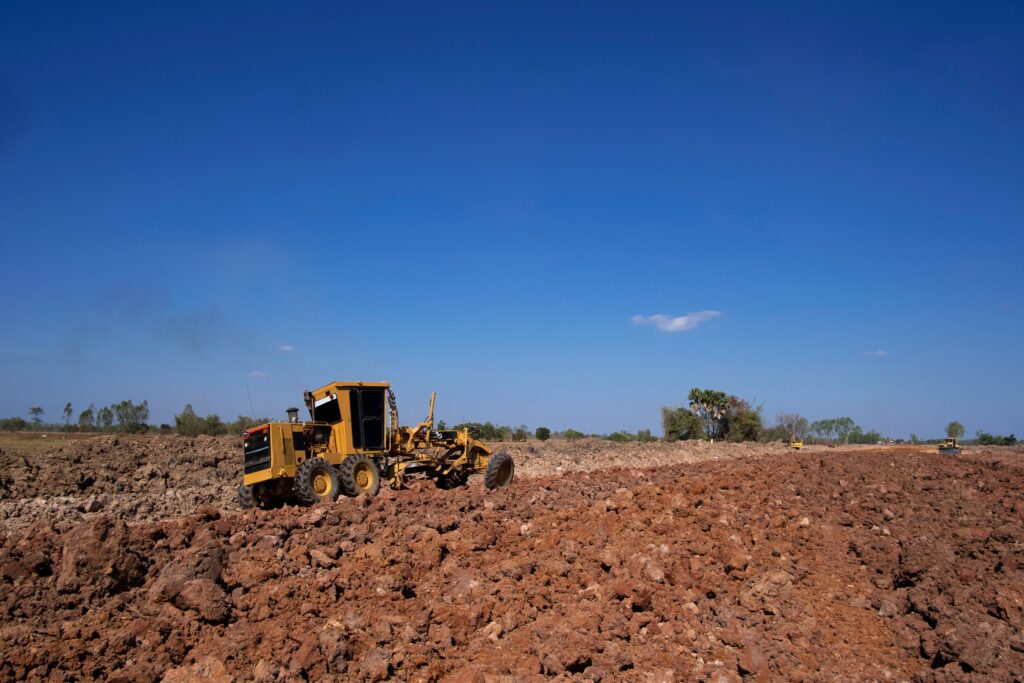
Efficient windrow management prevents material buildup and ensures better material redistribution. Avoid pushing too much material into one windrow. Keep it narrow and uniform for easier spreading. When mixing materials (e.g., base and fines), use a figure-eight motion to blend consistently before final spreading.
9. Use Front Axle Lean Strategically
Front axle lean can help counteract blade side draft and improve directional stability. Lean the axle into the cut to reduce machine pull, or lean it away from the cut to increase pressure. Use this feature cautiously on loose or wet terrain to avoid sliding.
10. Adjust for Visibility and Comfort
Clean windows, use mirrors, and adjust your seat for maximum comfort and control. An operator who is uncomfortable or fatigued is more likely to make errors. Periodic breaks and ergonomic adjustments go a long way in maintaining focus and reaction time throughout the shift.
For construction companies and contractors serious about productivity and performance, these tips for motor grader operators will help keep your machines in peak condition and your projects impeccable.
Why Proper Grading Techniques Matter
Knowing how to operate a motor grader efficiently goes beyond surface aesthetics. Here’s why:
Quality Output
Proper technique leads to consistent grade, better surface drainage, and improved ride quality. This directly impacts client satisfaction and project approvals.
Reduced Rework
A smooth grade done right the first time reduces the need for regrading, saving on labor and fuel.
Operational Efficiency
Knowing how to operate a motor grader efficiently reduces strain on the machine, lowers maintenance costs, and extends the service life of heavy equipment.
Cost Savings
Precise grading reduces material waste. It also prevents costly downtime from operator errors or premature wear and tear.
Choose Topspot for Dependable Motor Graders and Support
Proper motor grading techniques are essential for achieving precise, cost-effective, and long-lasting results. They minimize rework, extend equipment life, and deliver high-quality road and site finishes every time.
If you’re looking for motor graders designed for power, reliability, and ease of use, turn to Topspot Heavy Equipment. As an exclusive SDLG heavy equipment dealer in the Philippines, we offer a complete range of motor graders from this trusted global brand. We ensure every unit is inspected, serviced, and ready for tough jobs.
Get in touch with us and explore how Topspot can elevate your operations.
Frequently Asked Questions (FAQs)
1. What is the purpose of a motor grader?
A motor grader is primarily used for creating a smooth, flat surface during road construction. It helps level soil or aggregate, create drainage ditches, mix materials, and fine-grade before laying asphalt.
2. How often should a motor grader be serviced?
Regular servicing should follow the manufacturer’s recommended intervals. However, daily checks and lubrication are essential for operators, especially in high-use construction or mining sites.
3. Can a motor grader be used in mining applications?
Yes. In mining, motor graders maintain haul roads for smoother truck movement. This reduces tire wear, fuel use, and travel time across the site.
4. What size motor grader should I choose?
It depends on your job site requirements. Smaller graders work well for tight urban projects, while larger ones are suited for highways or mining roads. Contact us for assistance in choosing the right model.
5. Why choose SDLG motor graders?
SDLG motor graders offer excellent value for money. They are easy to operate, fuel-efficient, and built for the rigors of Philippine construction. Plus, Topspot offers comprehensive parts and service support nationwide.
