

Exploring Excavator Functions: The Many Ways These Machines Get the Job Done
Excavators do far more than dig. With the right attachments, they can lift, break, grade, and handle materials across industries like construction, mining, forestry, agriculture, and marine work.
Key Takeaways
- Excavators are versatile tools that can handle multiple tasks, from site preparation and demolition to material handling and dredging, when paired with the right attachments.
- Different types of excavators, such as mini, crawler, and long-reach models, are suited for specific work conditions and project scales.
- Proper attachment selection and regular maintenance help improve performance, prevent breakdowns, and extend equipment lifespan.
Excavators are among the most critical machines on any job site. Most people think of them as digging tools, but they can do much more. With the right attachments, an excavator can lift, break, grade, and even handle delicate materials across many industries such as construction, mining, forestry, agriculture, and marine work.
This article explores the many functions of excavators beyond digging. It explains how the right attachments can boost performance, save time, and reduce costs, ensuring you get the best value for your excavator price.
Understanding Excavators and Their Attachments
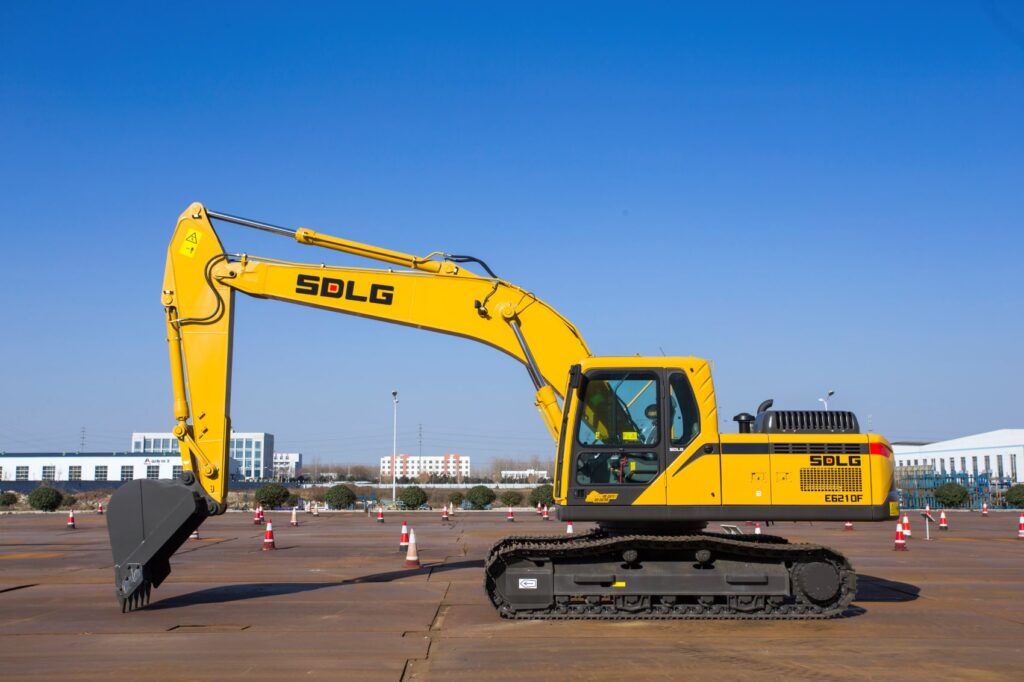
Every excavator has three key sections: the undercarriage, the house, and the boom-arm. Its hydraulic system provides smooth, controlled movement for lifting and digging. The real advantage comes from its attachments: a bucket can be replaced with a hammer, grapple, or auger to handle a wide range of work.
Common types of excavators include:
- Mini excavators for tight or urban areas
- Crawler excavators for uneven or rough terrain
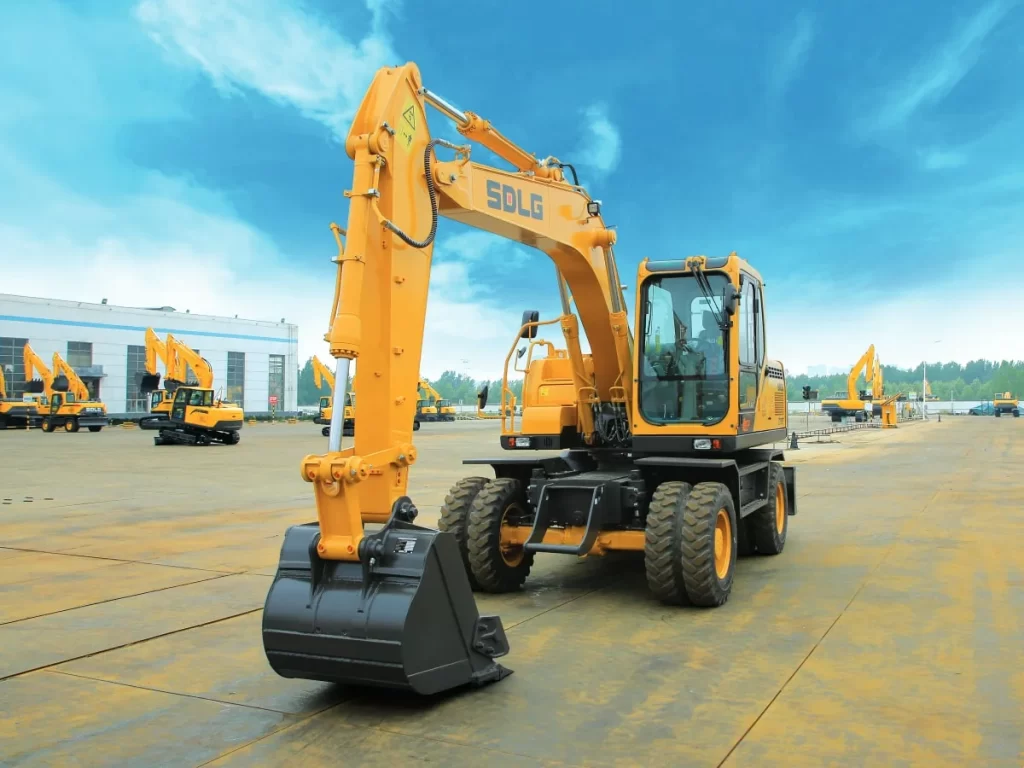
- Wheeled excavators for faster travel on paved roads
- Long-reach excavators for dredging or demolition at a distance
- Hydraulic excavators for precise control and heavy attachments
A properly equipped excavator can take on nearly every phase of a project, from site preparation to demolition and transport.
What are the Uses of an Excavator?
Excavators are some of the most versatile machines on any job site. Beyond digging, excavators can be used for construction, mining, forestry, agriculture, and even marine projects, thanks to the wide range of attachments they can work with.
1. Construction Work
Excavators are a staple on most job sites, and their uses in construction go far beyond digging. They’re also essential for grading, demolition, and moving materials efficiently.
Site Preparation and Grading
When equipped with a grading blade or tilt bucket, an excavator can prepare the ground for roads, driveways, or foundations. It allows the operator to smooth the surface and get the site ready for the next stage of work.
Demolition and Material Handling
Excavators equipped with breakers, shears, or pulverizers can safely demolish old structures. They can crush concrete, cut steel, and separate materials for disposal or recycling. When paired with lifting hooks or grapples, the same machine can move pipes, beams, and panels across the site.
Utility and Pipe Work
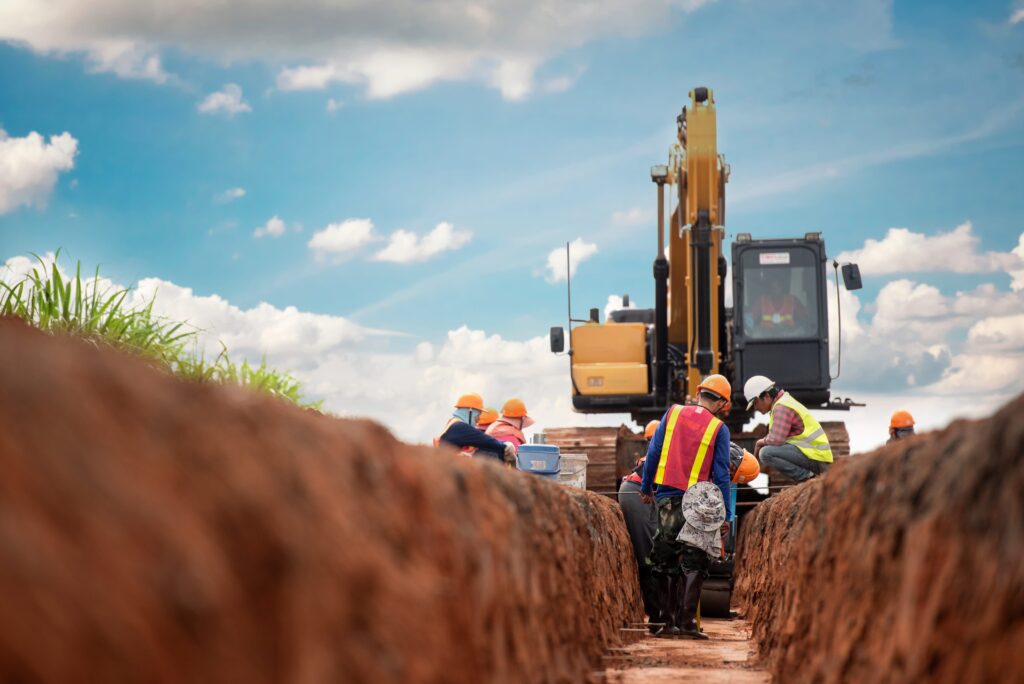
Excavators help contractors dig trenches for water lines, cables, and pipes. Once installed, they use a compactor plate to compact the soil and keep the surface level.
2. Mining Operations
In mining, excavators do much more than dig. They play an important role in many parts of production and site upkeep.
Material Extraction and Loading
Large crawler excavators are used to remove overburden and load rocks or minerals into dump trucks. With heavy-duty buckets and strong hydraulic systems, they can handle the toughest materials.
Breaking and Rock Work
When blasting is not possible, operators attach a hydraulic hammer to break down rock formations. This approach is safer and more controlled, especially in populated or sensitive areas.
Stockpile Management
Excavators with clamshell buckets or grapples can move and organize loose material. They are also used to load raw materials into crushers, conveyors, or transport hoppers.
Infrastructure and Road Building
In mining, excavators are used to build and maintain the roads and drainage systems that support safe movement for large equipment.
3. Forestry and Land Development
In forestry, excavators are used for clearing, handling, and environmental work.
Tree and Stump Removal
Fitted with the right tools, excavators can handle challenging clearing work, removing trees and roots so the site is ready for development or replanting.
Timber Handling
Log grapples allow excavators to safely lift and sort logs. This makes them useful in lumber yards and reforestation projects, where organized stacking is essential for transport and processing.
Slope and Erosion Control
In land and water management projects, excavators are used to build up slopes and embankments with rock or fill to control erosion and direct water movement.
4. Demolition and Recycling
Modern excavators are central to demolition work. They can tear down buildings, process debris, and support recycling.
Selective Demolition
High-reach excavators can take down tall structures one floor at a time. Attachments such as shears and crushers separate steel and concrete for reuse. This method is safer and creates less dust and noise than traditional demolition methods.
Scrap and Waste Handling
At recycling yards, excavators equipped with orange peel grapples or magnets lift and sort metal scrap. Their long reach and precise control make loading materials into shredders or containers quick and easy.
Crushing and Reuse
Using a crusher attachment, an excavator can repurpose broken concrete or rubble into fill material, reducing waste and saving on transport costs.
5. Agriculture and Rural Projects
Excavators are becoming more common on farms and rural properties. Their control and strength make them useful for many maintenance and development tasks.
Irrigation and Drainage
Farmers use excavators to dig ponds, drainage ditches, and irrigation canals. With a tilting bucket, they can also shape banks and create even water channels.
Land Grading and Access Roads
Compact excavators can level uneven ground, prepare sites for barns or storage, and build access roads. They are also helpful in clearing land for crops or fencing.
Fence and Post Holes
With an auger attachment, excavators can drill uniform holes for posts or poles much faster than manual labor. This saves time during large fencing projects.
6. Marine and Dredging Projects
Excavators are widely used in marine construction, dredging, and shoreline maintenance.
Dredging and Waterway Cleaning
Long-reach or amphibious excavators are used to remove silt and debris from rivers, lakes, and harbors. Their extended arms allow them to work from the shore or barges without entering the water.
Breakwater and Coastal Construction
These machines can place large rocks, concrete blocks, and other materials to build seawalls or breakwaters. Their precise handling ensures that structures are positioned correctly for long-term stability.
Habitat and Environmental Work
Excavators also help restore wetlands and shape shorelines. They can remove invasive plants and reshape areas to improve drainage and wildlife habitats.
7. Urban Infrastructure and Public Works
In cities, excavators support public works and maintenance jobs that require precision and control in tight spaces.
Road Repairs and Maintenance
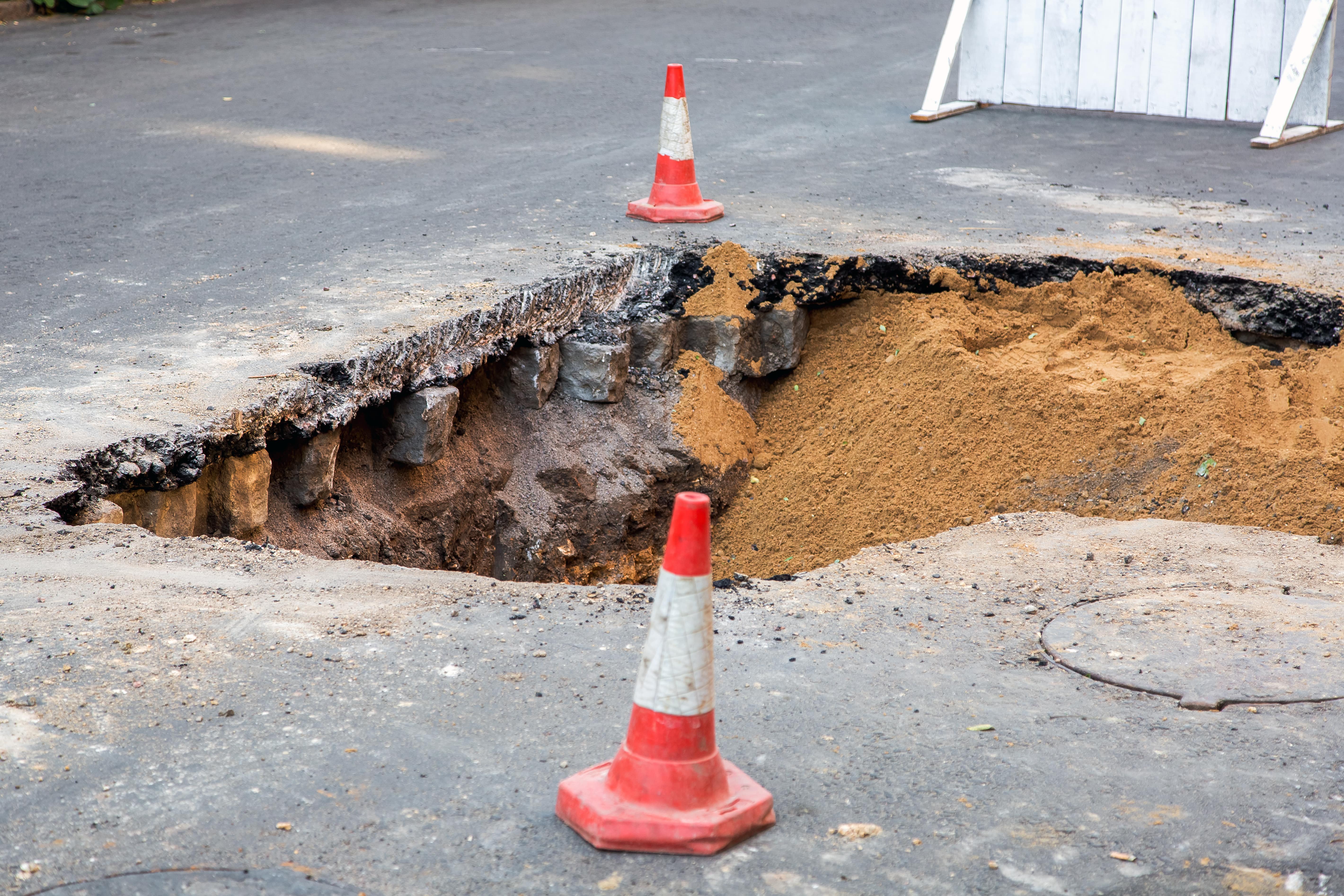
Excavators with milling or hammer attachments remove damaged pavement and help prepare subgrade surfaces. Smaller models are ideal for sidewalks and parking areas.
Utility Repairs
Compact and easy to maneuver, mini excavators are widely used in city utility work. They enable digging and repairing underground lines in tight spaces without damaging surrounding areas.
Emergency Response and Cleanup
Wheeled excavators are often used to clear debris after storms, floods, or landslides. Their mobility allows them to quickly remove obstacles and restore access to roads and buildings.
Common Excavator Attachments
Different attachments expand an excavator’s capabilities. Choosing the right one depends on the task and material type.
| Attachment | Main Use |
| Bucket | Digging, trenching, grading |
| Hydraulic hammer | Breaking concrete, rock, or asphalt |
| Auger | Drilling holes for posts or foundations |
| Grapple | Handling logs, debris, or scrap |
| Compactor plate | Compacting soil or backfill |
| Shear or crusher | Demolishing structures or cutting metal |
| Tilt bucket | Grading slopes and shaping terrain |
| Clamshell bucket | Dredging and material loading |
| Ripper | Breaking hard ground or frozen soil |
By switching attachments, a single excavator can handle different phases of a project, reducing the need for multiple machines and improving productivity.
Advantages of Using Excavators for Multiple Tasks
Using excavators for multiple tasks offers several practical benefits, such as:
- Better use of equipment: A single excavator can handle many jobs, improving machine use.
- Lower operating costs: Using attachments reduces the need for additional specialized machines.
- Faster work: Hydraulic power enables quick, precise task changes, reducing downtime.
- Improved safety: Operators can perform heavy tasks from a safe distance inside the cab.
- Sustainable operations: Excavators support recycling, material reuse, and site restoration.
Choosing the Right Excavator
Choosing an excavator involves considering the job size, site type, and material being handled. Compact machines suit smaller spaces, while larger crawler and long-reach options handle bigger, rougher projects. Attachments should be compatible with both the work and the hydraulic system for safe performance.
Maintenance is just as crucial as operation when it comes to excavators. Routine checks of hoses, filters, and connections can maintain performance and extend the machine’s life.
Topspot Heavy Equipment: Your Partner in Excavation Solutions
Excavators have become multi-purpose machines that can do far more than digging. Whether in construction, mining, forestry, or marine work, they bring strength, accuracy, and versatility to every job.
Topspot Heavy Equipment is the exclusive dealer of SDLG equipment in the Philippines, offering a complete line of excavators and attachments from this trusted global brand. Our experienced team can help you choose the right model for your project and provide expert service and maintenance to keep it running in top condition.
No matter the size of your project—whether it’s a small build or a major mining operation—Topspot has an excavator that fits your needs. Contact us today and let our team help you choose the right equipment to keep your work going strong.
Frequently Asked Questions (FAQs)
1. What can an excavator do besides digging?
Excavators can grade soil, demolish structures, move heavy materials, drill holes, compact soil, and even perform dredging or forestry work when fitted with the right attachments.
2. How do I know which excavator type to use for my project?
The right choice depends on your project’s size, location, and the materials you’re working with. Compact excavators are best for tight spaces, while crawler and long-reach models are built for larger, heavy-duty jobs. Our team can help you find the right heavy equipment for sale to match your project needs
3. What attachments can make an excavator more versatile?
Attachments like hammers, grapples, augers, compactors, and tilt buckets let a single excavator take on a variety of jobs without switching equipment.
4. How often should excavators be maintained?
Routine checks of the hydraulics, filters, and attachment points should be part of every operator’s schedule. Professional servicing keeps the equipment safe to use and running strong for years.
