
Types of Compactors: Choosing the Right Equipment for the Job
Compactors are available in a wide range of sizes and designs. Some are walk-behind models suited for smaller areas, while others are large units designed for highways and other public infrastructures. The type of compactor used depends on several factors, such as the material being compacted, the depth required, and the scale of the project site.
From roads and bridges to industrial facilities, compactors are essential in construction for achieving strength, uniformity, and long-term performance. But with multiple compactor types available, knowing which machine to use for specific materials and site conditions can make a significant difference in project efficiency, safety, and cost.
Before exploring how each type works in detail, here are the main compactor categories and what sets them apart:
- Plate Compactors – Ideal for granular materials like sand and gravel, these are best suited for smaller, confined spaces such as driveways, walkways, and trenches.
- Rammer Compactors – These work well on cohesive soils such as clay and silt and are effective in tight areas or around foundations.
- Road Rollers – These rely on static weight, vibration, or pneumatic pressure to compact loose soil, asphalt, or aggregates. Common types include cylindrical, grid, pneumatic, sheepsfoot, smooth-wheeled, and vibratory rollers.
This article lists the different types of compactors, allowing construction professionals to match the right equipment to the job, maximize productivity, ensure stability, and minimize maintenance over time.
Plate Compactors
Plate compactors, also known as vibratory plate compactors, are commonly used for smaller surface areas such as driveways, walkways, or trenches. They use a heavy, flat metal plate that vibrates rapidly to compact granular materials like sand and gravel.
Operators guide these machines manually or with limited steering assistance. Because they are compact and easy to maneuver, plate compactors are ideal for tight spaces where larger machinery cannot operate efficiently.
Rammer Compactors
Rammer compactors are small, hand-operated machines that deliver a concentrated impact force to compact cohesive soils such as clay or silt. This compactor type has a narrow foot that delivers quick, repetitive blows, making it highly effective in confined areas or around foundations.
While they look small, rammers are powerful and can compact deeper layers than plate compactors. Their compact design allows them to work efficiently in trenches and areas with limited access.
Road Rollers
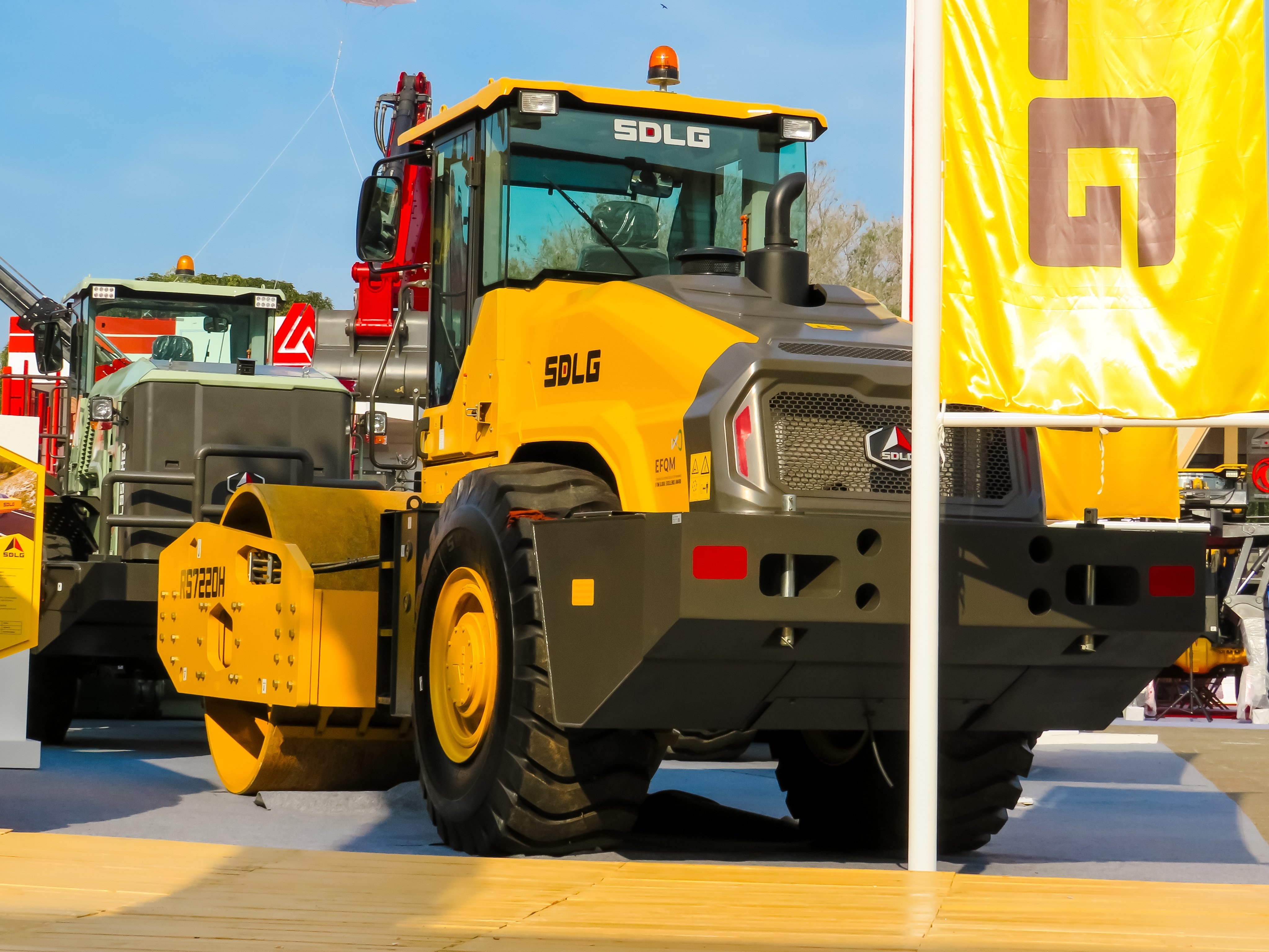
Road rollers are the most recognizable type of compactor. They are used in large-scale projects such as road construction, airfields, and major infrastructure works, but also for small-scale projects like home gardens and sidewalks. Road rollers rely on static weight, vibration, or pneumatic pressure to compress and smooth materials.
6 Types of Road Rollers
Road rollers come in several configurations, each suited to a specific type of surface or material. Below are the most common types used in construction and roadwork:
Cylindrical Rollers
Lightweight and manually operated, cylindrical rollers are typically pushed or pulled by hand and used for small-scale projects like gardens or driveways. Usually about a meter in diameter, they’re ideal for compacting soil in confined areas where heavy machinery isn’t needed.
Grid Rollers
Grid rollers feature steel bars. These rollers are usually towed behind tractors and are suitable for coarse soils, weathered rock, and sub-base layers in road construction.
Pneumatic Rollers
This type of road roller uses rows of overlapping rubber tires that deliver uniform pressure. They’re ideal for cold-mix pavements and compacting loose soil layers. Their flexible tires help achieve a smooth, polished finish and seal the surface effectively.
Sheepsfoot Rollers
Sheepsfoot rollers have drums fitted with rectangular “feet” that compact soil from deep below the surface. Their weight can be increased by adding water, sand, or steel for greater efficiency. They’re best used for compacting fine-grained soil or clay, commonly in road construction and foundation work.
Smooth-Wheeled Rollers
Smooth-wheeled rollers come in single- and double-drum configurations.
- Double-drum (tandem) rollers like the RD730 have steel drums at the front and back, allowing them to flatten and pave wide areas efficiently—ideal for asphalt and flat surfaces.
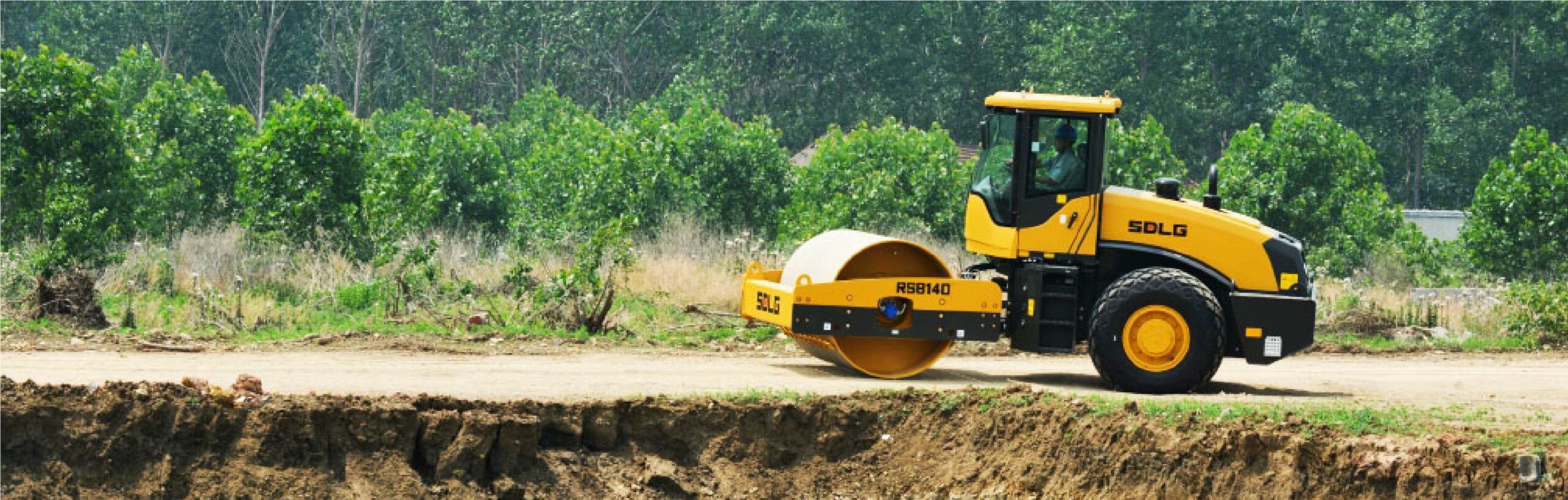
- Single-drum rollers such as the SDLG RS8140 feature one front drum and two rubber tires at the rear for stability. Compact and maneuverable, they’re suited for foundations, sidewalks, and smaller work zones.
Vibratory Rollers
Vibratory rollers resemble smooth-wheeled rollers but include a built-in vibration mechanism that enhances compaction. They’re highly effective on materials like crushed rock or gravel, ensuring durable, even surfaces that resist settlement and structural damage.
Frequently Asked Questions: Choosing the Right Type of Compactor
Before investing in a compactor, it’s important to understand how different factors—such as soil type, terrain, and project scale—affect performance. The right equipment not only ensures efficient operations but also prevents costly rework and downtime.
To help you make an informed decision, here are answers to some of the most common questions about choosing the right compactor for your project.
What type of compactor is best for my soil?
The best compactor equipment type depends on the kind of material you are working with.
- Cohesive soils, such as clay or silt, compact better with rammers, which use impact and kneading force.
- Granular materials like sand and gravel respond best to vibratory compactors or smooth drum rollers, which apply steady vibration and pressure.
- For asphalt layers, pneumatic or tandem rollers are ideal because they create a smooth and flexible finish.
How does project size affect my choice of compactor?
Smaller projects like driveways or walkways can be completed with plate compactors or jumping jacks. These compactors are lightweight, easy to maneuver, and ideal for confined areas.
Large-scale projects such as highways, airports, or industrial sites need heavy-duty compactors. For example, double-drum rollers and other SDLG construction equipment can cover wide areas quickly and efficiently.
What should I consider about the worksite conditions?
Worksite conditions greatly affect compaction performance.
- For tight or uneven areas, use smaller, more agile machines such as rammers, walk-behind plate compactors, or vibratory attachments on excavators.
- For rough terrains or large open areas, rollers provide better control, traction, and consistent results.
Can I get expert help in selecting the right type of compactor?
Absolutely. Every construction site has unique requirements, and expert guidance can help you avoid costly mismatches. Topspot offers consultation and after-sales support on construction equipment in the Philippines to help you choose the most suitable compactor based on your soil type, project scope, and performance goals. Our team can also advise on proper maintenance to help you get the most out of your investment.
Building Strong Foundations with the Right Equipment
Compaction is the foundation of every durable construction project. The right compactor strengthens the soil or surface but also ensures the success and safety of the entire structure built upon it. Different types of compactors help construction teams make informed decisions that improve efficiency and reduce long-term costs.
Whether your project involves building roads, preparing industrial sites, or working in tough quarry conditions, having the proper compaction equipment is essential. Topspot Heavy Equipment offers a full line of high-performance compactors and road rollers, supported by expert service across the Philippines.
Talk to our team today to find the right compactor for your operations and keep your projects moving.
